Assessment that actually helps you teach in KS1
Let’s be honest: teachers have always known there are two broad types of assessment. The kind that genuinely helps you teach – and the kind that exists mainly to satisfy accountability.
The first, often described as formative assessment, tells you how your pupils are really doing and helps you adapt your teaching in the moment. It’s responsive, human and rooted in professional judgement.
The second has traditionally been higher stakes, tied to labels and thresholds, and sometimes overly dependent on how a child happens to perform on a particular day.
In KS1, the removal of statutory end-of-key-stage assessment has changed that balance for the better. Schools now have far more freedom to decide how they assess, what they record and why they do it.
Many still choose to draw on the Teacher Assessment Framework (TAF) – not because they have to, but because it can be a useful reference point when used thoughtfully.
Here’s how to make assessment work for you and your pupils in KS1, without unnecessary pressure…
Don’t shy away from assessment – use it deliberately
Assessment isn’t a dirty word. Used well, it’s simply part of good teaching.
Being intentional about how you gather evidence is no different from planning a lesson carefully or choosing the right text for a writing task. It’s not about gaming the system; it’s about ensuring that pupils have fair opportunities to show what they can do, in ways that fit naturally into classroom life.
Using the TAF as a guide
Although the KS1 TAF is no longer statutory, many teachers still find the “I can…” statements helpful as a shared language for thinking about standards in reading, writing and maths.
They can:
- support professional conversations within teams
- help identify gaps or next steps
- provide a structure for internal tracking, if your school chooses to do so
What matters is that the framework supports your judgement — not replaces it.
Keep teaching a broad, balanced curriculum
One of the biggest advantages of the current system is that assessment no longer dictates the curriculum. You are free to:
- teach the full breadth of the National Curriculum
- prioritise rich experiences, talk and exploration
- assess progress in ways that make sense for your pupils and context
Any framework you use should sit alongside this, not squeeze it.
Look for evidence across the curriculum
Good writing, reading and maths don’t only happen in English and maths lessons.
Evidence can (and should) come from:
Cross-curricular work gives pupils meaningful reasons to apply their skills and often produces more authentic evidence than isolated tasks.

Keep assessment manageable and proportionate
Without statutory moderation at KS1, schools can decide how much evidence is enough. That means no need to:
- over-collect
- annotate endlessly
- track every statement for every child unless it serves a clear purpose
Simple systems that help you see patterns and progress are usually far more useful than complex spreadsheets.
Plan opportunities, not hoops
This is where thoughtful planning makes a difference. If you want to see:
The key is that tasks remain genuine and independent, not contrived exercises purely to tick boxes.
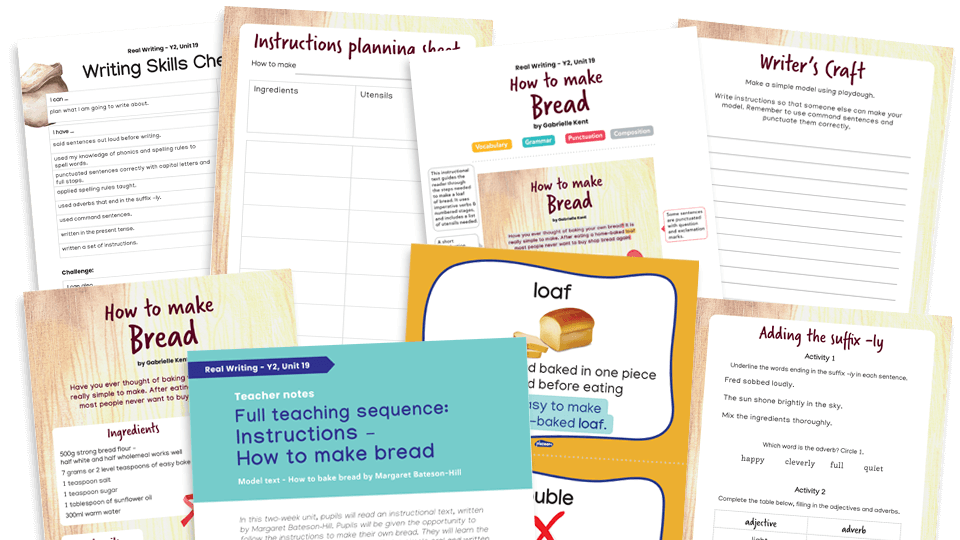
Involve pupils in understanding success
Self-assessment and shared success criteria can be powerful – not as a compliance tool, but as a way of helping pupils reflect on their work. When children understand what good looks like, they’re more likely to:
- apply skills independently
- make deliberate choices in their writing
- talk confidently about their learning
Final thought
These days, KS1 assessment is no longer about external judgement. It’s about knowing your pupils well, making informed decisions and using assessment to support learning – not dominate it.
When assessment is purposeful, proportionate and professionally owned, it becomes one of the most useful tools you have – not another thing to manage.