A storyboard template can help pupils create a coherent and well-ordered composition. And you don't need to be an expert illustrator either. Here's how to make the most of them in the classroom...
Do you know who Frederick R Barnard is? No? Never mind. However, there’s a good chance you have heard what is probably his most famous utterance: “A picture paints a thousand words.”
In a pithy little sentence, he was unintentionally describing the whole rationale for using storyboard templates in writing. It's counter-intuitive in a way – you might have thought the whole point of writing lessons is getting pupils to write, not draw pictures.
If so, think again. They have many useful applications in literacy. Here are some ideas you could draw on to use in your own teaching practice...
What is a storyboard template?
If your idea of storyboards is based on scenes in films and TV shows in which smug, creative people use big, beautifully drawn cartoon drawings to outline their fabulous idea for an advertisement or movie, you’d only be partly right.
For a start, they don’t necessarily need pictures.
So, what is a storyboard, then? In essence, a storyboard template is a way of breaking up narratives into neat chunks. This helps you crystallise the sequence in which events happen.
Each section tends to have a picture because a good image can convey a lot of information. Sometimes, however, a word or two works just as well. Perhaps the best ones involve some combination of the two.
Detailed comic book-style storyboards
Writing using pictures is, of course, nothing new. Ancient Egyptian hieroglyphs are an excellent early example of how images can advance a narrative clearly and concisely.
In fact, many cultures have understood their value both for telling stories and conveying useful information.
Comic strips are an obvious example of how they grew in popularity as a medium. Thanks to a certain well-known comic, we now have an overpopulation of those supposedly exceptional characters, superheroes.
Using storyboard templates in class
Back to the classroom, there is no doubt that the pupils will love using storyboard templates. The key is to use them in moderation and for clearly defined purposes, such as planning.
There are many ways to plan a story. However, a good storyboard template reduces the temptation for pupils to write full sentences instead of notes on their plan.
It also gets them to think hard about the order in which the events will occur and see at a glance whether the tale has coherence.
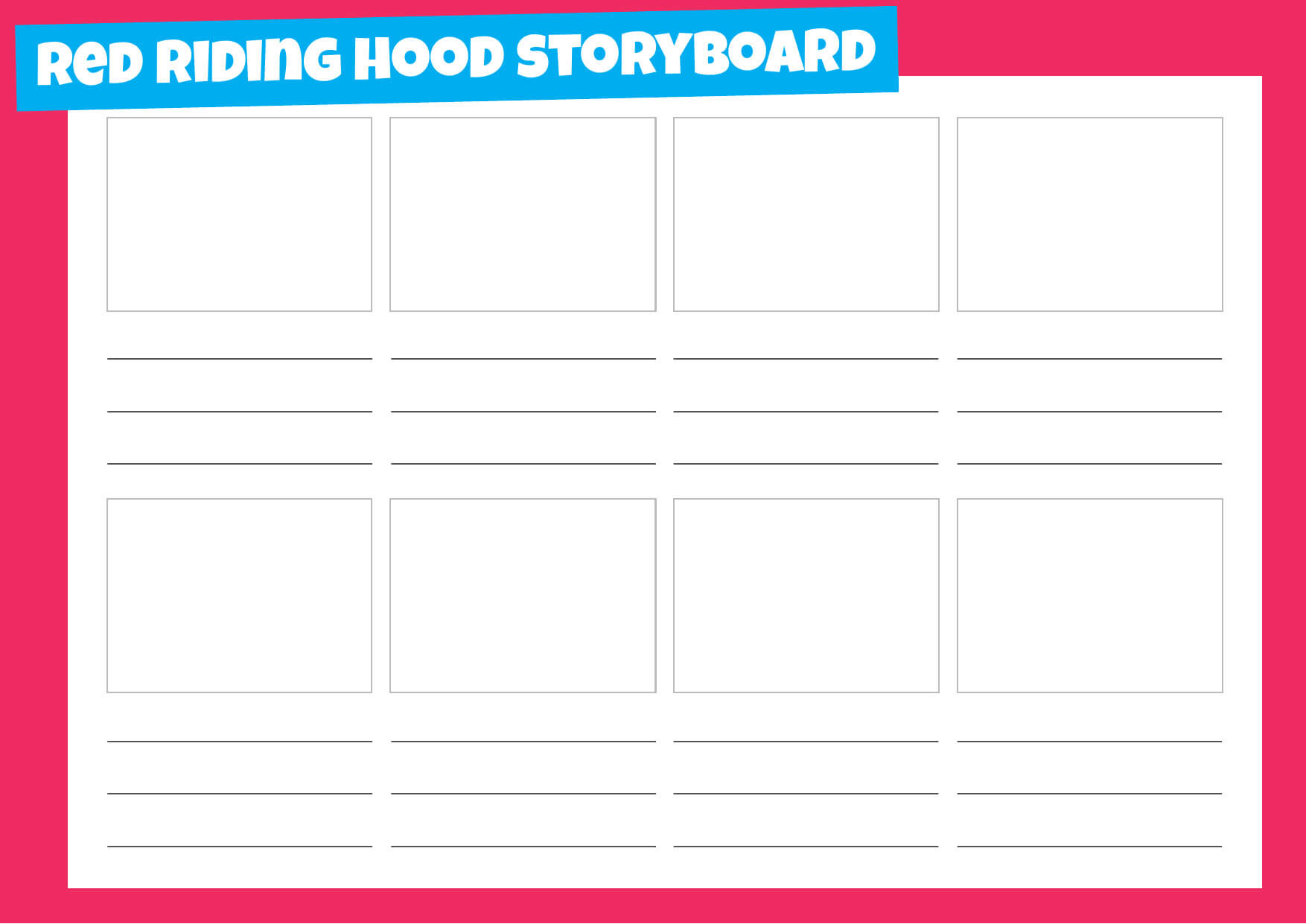
Here's a ready-made storyboard template that pupils can use to draw and write sentences or retell a narrative.
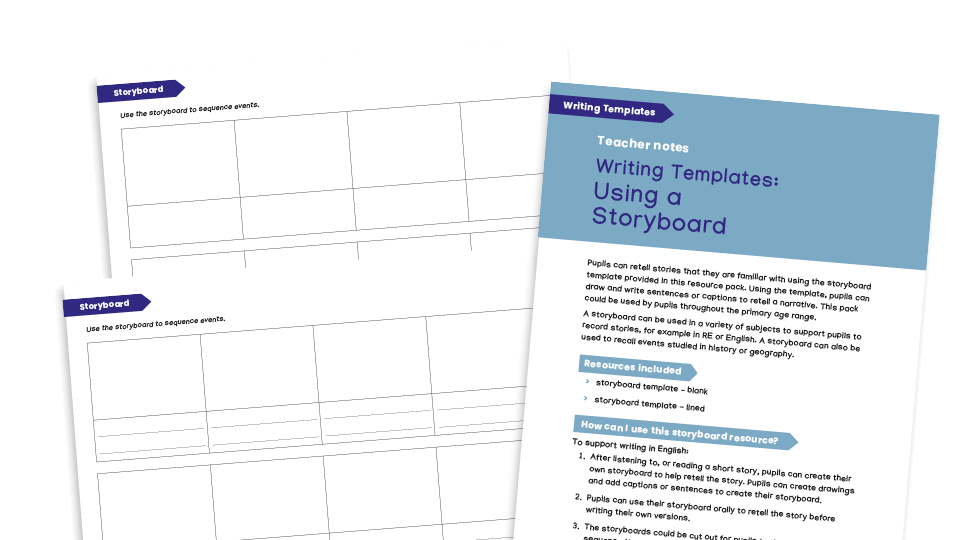
Alternatively, this ready-made writing frames and templates pack includes one for storyboards. Ask pupils to experiment with the different styles or give them the option to choose the planning approach that works best for them.
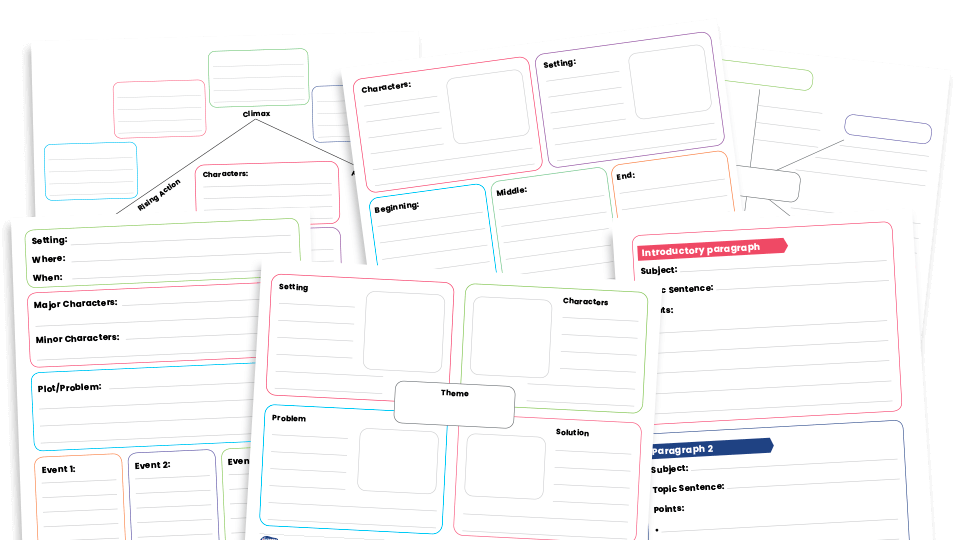
And if you’re struggling for inspiration for what they could write about, our Write Now! resource packs could provide the spark you and your pupils need to get their creativity going.
Marking time with sequential drawings
One genre of writing that is especially reliant on good sequencing is recounts. This is because they are typically written in chronological order.

Using a storyboard template will help pupils to be confident that they have included all the key events and arranged them appropriately.
Those that are accomplished time-tellers could even include a small image of a clock or note of the time in each frame. They don't necessarily need to mention this in their writing, but it acts as a reminder of when things happened.
Step-by-step storyboard process
Anyone who has put together flatpack furniture or a LEGO kit will know that many instruction leaflets are effectively storyboards these days.
Of course, we expect pupils to be able to write numbered instructions using imperative verbs et cetera. However, these commercial examples do offer a telling insight into the power of images for helping us to follow a method.
Getting your pupils to plan their instructions using a storyboard template helps them see clearly that they have considered and covered every step of the process.
Joining the dots – effective storyboard for kids
One of the possible pitfalls of a frame-by-frame approach to composition is that it could possibly lead to writing that feels disjointed. Turn this to your advantage by using it as an exercise in cohesive devices.
Of course, you could spend time creating your own plan for how to create links between and within paragraphs.
Alternatively, use our KS2 Grammar Burst resource on identifying and employing cohesive devices, building to an extended writing task that applies this learning in context.
Using perspective for creative writing prompts
Any good storyboard or comic strip will be able to handle changes in perspective. For example, a distant image or a medium view might change to a close up of a character in order to highlight an emotion.
As we know, paragraphs change when there is a shift in time, place or topic. This is sometimes compared to a film-maker using a different camera angle.
In a similar way, encourage pupils to use a storyboard template to remind them when and why to start a new paragraph.
Framing events – bring story design to life
Quite apart from all the benefits of using storyboard templates as a planning tool, they do also have their place in creating finished pieces using a comic strip format.
In fact, they can be particularly good at telling a story or describing a process in subjects such as history or geography. Here, clear illustrations can complement crafted text very effectively.
It’s a planning process, not a professional storyboard
Before we go, a little reminder to reassure those who are not confident about their artistic ability: storyboards are not about being great at drawing.
For most applications, simple line drawings, probably involving stick people with emoji-style faces, will be enough. The true craft comes in creating a coherent and well-ordered composition. Get the picture?
Sue Drury qualified as a primary teacher in 1999. Teaching pupils from Year 1 to Year 8, she has held a variety of positions including maths and English subject leader, year leader, and assistant headteacher. Sue has mentored students and NQTs, offering guidance and advice using her years of experience. She created many of Plazoom's literacy resources.